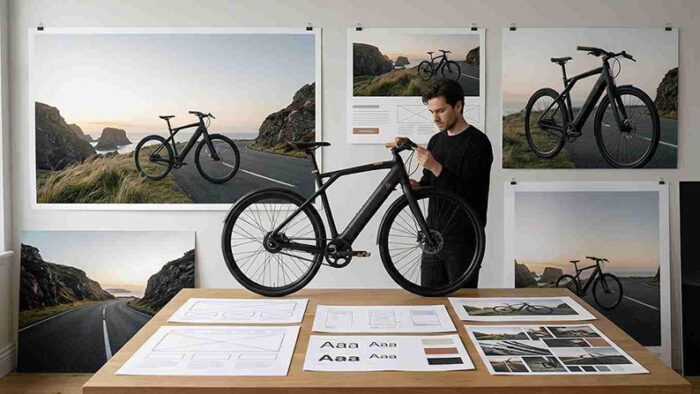
Designers today live in a digital world where most projects begin and end on a screen. Yet, even with powerful software and sleek devices, there are moments when digital alone is not enough.
Smart printing solutions give digital-first designers the tools to bridge that gap. They make it easy to turn virtual ideas into physical pieces without losing precision or style. With the right approach, print becomes a way to test, refine, and elevate designs.
In this article, you’ll learn why print still matters in a digital-first world and how the right printing solutions can support your creative process. Read on for the details!
Saving Time and Resources
Modern printing solutions are built with efficiency in mind. They integrate smoothly with design software and streamline the process of converting files into print-ready formats. Instead of outsourcing every print job, designers can handle many tasks in-house. This reduces waiting time and allows for faster revisions.
Smart printers also support resource management. Instead of outsourcing every task, you can complete many custom prints in-house with commercial printing systems. This approach cuts turnaround time and offers greater control over deadlines.
The best part is that there are many options to explore. You just have to do your research to find a solution that matches your specific workflow. For instance, if you plan to process many marketing materials simultaneously, an office multifunction printer can be a practical choice that balances speed and quality. You can also explore commercial printing systems if you need higher volume output or advanced finishing features that support more complex projects.
Improving the Design Process
The design process thrives on iteration, and printing supports that flow. Smart printing solutions allow designers to create drafts and variations quickly. Whether through a digital or commercial printing process, seeing print layouts side by side helps teams make better decisions.
An online ordering system adds to this efficiency. Instead of handling every print order manually, designers can upload files, select print options, and get results faster. This streamlined process reduces delays and allows for more focus on creative problem-solving. In turn, designers can experiment confidently, knowing they can easily access test versions.
Meeting Professional Standards
Clients expect polished results, and printing solutions help meet that expectation. High-quality prints can make a proposal or portfolio presentation stand out. A printed brochure, flyer, or poster shows the designer’s ability to think beyond the digital space and deliver something ready for real-world use. This level of professionalism often builds trust and credibility with clients.
Smart printers also allow designers to match industry standards for color accuracy and resolution. While screens vary in brightness and display quality, print forces consistency. Designers who control their printing process can ensure that the colors and textures they present match the intended final product. This reduces the risk of miscommunication and strengthens the reliability of the designer’s work.
Enhancing the Value of Tangible Designs
A digital file can look polished on a screen, but there’s something unique about holding a design in your hands. For instance, business cards, brochures, and promotional products create a sense of connection that pixels can’t fully replicate. For clients, flipping through print materials makes ideas feel real. It turns a concept into a concrete experience that strengthens engagement.
Designers also benefit from seeing their work outside of a digital space. Print quality exposes details that sometimes get overlooked on a monitor. A slight color shift, spacing issue, or alignment problem may be easier to catch on paper. This tangible check is essential for refining designs and ensuring accuracy.
Ensuring Collaboration and Communication
In creative work, communication is just as crucial as design skills. Printing helps make that communication more transparent. A printed draft shared during a meeting removes distractions that come with screens and allows everyone to focus on the content. This creates a stronger shared understanding between designers, clients, and team members.
Smart printing solutions enhance this collaboration further through features like wireless connectivity and cloud integration. Designers can print directly from laptops, tablets, or phones without extra steps. Teams working remotely can also send files to shared printers, making it easier to stay aligned across different locations.
Supporting Different Media Needs

Design projects often extend beyond digital platforms, requiring materials that clients can see and use in everyday settings. Marketing campaigns, for example, frequently call for printed posters, brochures, and banners that capture attention in physical spaces. Packaging design also demands durable solutions that hold up under real-world conditions. Designers who rely only on digital methods miss opportunities to create for these formats.
Smart printing solutions make it easier to handle these diverse needs. They allow designers to test materials, experiment with finishes, and explore how different surfaces affect the look and feel of a design. This adaptability ensures the final work functions well across digital and physical spaces.
Staying Ahead in a Competitive Industry
The design industry evolves quickly, and standing out requires versatility. Designers who combine digital expertise with strong printing capabilities position themselves as more adaptable. Clients often prefer working with professionals who can manage digital and print marketing needs in one place.
Offering many commercial printing and promotional products makes designers more attractive to corporate clients. Whether it’s developing logo designs for packaging or handling product decoration for promotional campaigns, having access to comprehensive printing solutions signals readiness for diverse challenges. This adaptability keeps designers competitive and relevant in a changing market.
Conclusion
Even in a digital-first era, print holds significant value for designers. It makes ideas tangible, strengthens collaboration, and ensures professional standards. Smart printing solutions make this process efficient, accurate, and creative. They help designers refine their work, save resources, and expand their opportunities. For digital-first designers, embracing printing is essential for staying competitive and producing designs that truly connect.

Many of his resources are available on various design marketplaces. Over the years, he's worked with a range of clients and contributed to design publications like Designmodo, WebDesignerDepot, and Speckyboy, Slider Revolution among others.
- What is Backend in Web Development? - September 13, 2026
- What is Frontend Development? - September 11, 2026
- How to Make a Button in Figma: Design Best Practices - September 10, 2026